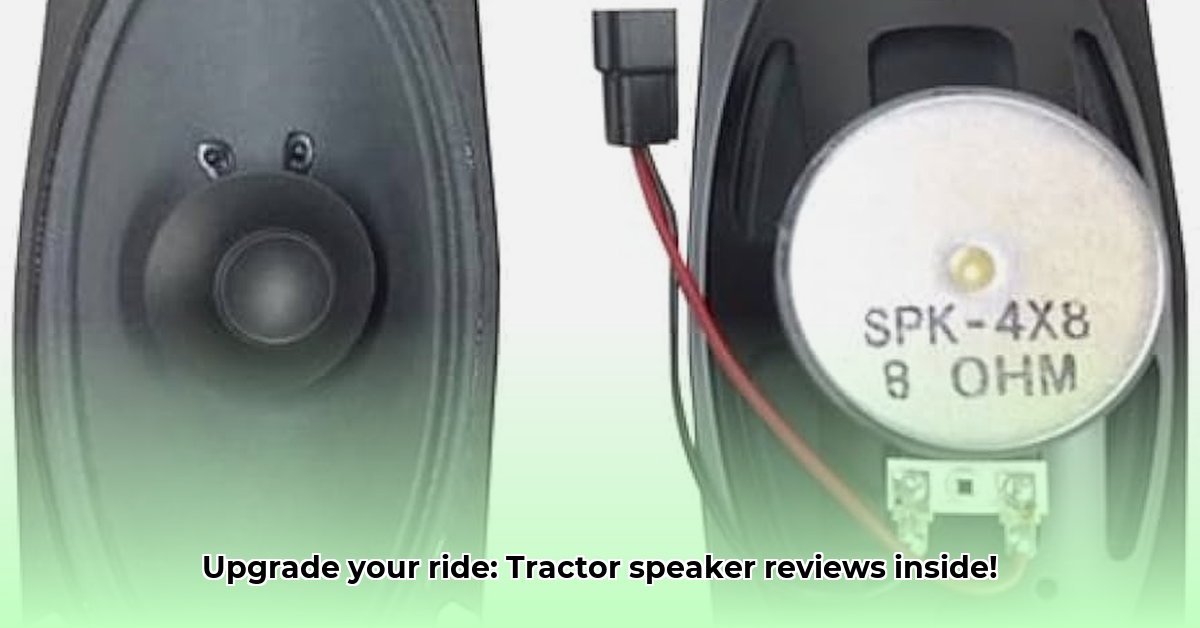
Tractor Speaker Selection: Your Field Guide to Better Sound
Working long hours in a noisy tractor demands a reliable sound system. A good audio setup boosts morale, enhances alertness, and improves communication for enhanced safety. However, finding a speaker that withstands the harsh farm environment is challenging. This guide helps you select the perfect audio companion for your tractor.
Finding the Right Tractor Speaker: More Than Just Sound
Choosing a tractor speaker differs significantly from selecting home audio equipment. Tractors endure extreme conditions: sun, rain, intense vibrations, and dust. A standard speaker will quickly fail. You need a rugged system built for resilience. The optimal choice depends on your tractor model and operating environment.
Key Features Every Top-Notch Tractor Speaker Needs
Several factors distinguish good from great tractor speakers:
Weatherproofing (Ingress Protection or IP Rating): A high IP rating signifies superior protection. An IP67 rating, for instance, indicates complete dust-tightness and temporary submersion resistance—ideal for unexpected downpours. Higher ratings denote better protection.
Vibration Resistance: Tractors generate significant vibrations. A robust speaker design and secure mounting are essential to withstand constant shaking without damage. Internal bracing further minimizes vibration-related damage.
Superior Sound Quality in Noisy Environments: Tractor cabs are loud. High speaker sensitivity ensures clear, crisp audio even with engine noise and machinery hum. High sound pressure levels (SPL) guarantee audibility above background noise.
Ease of Installation (Plug-and-Play): Simplified installation is crucial. Plug-and-play designs minimize wiring errors, installation time, and frustration. Seamless integration with your tractor's electrical system is paramount.
Choosing a Tractor Speaker Brand: Navigating the Options
Direct brand comparisons are difficult due to limited public data. However, brands specializing in tractor speakers, such as Farm Radio Supply (FRS), stand out. Their focus on tractor audio, exceptional technical support, and extensive dealer network provide significant advantages. This comprehensive customer service approach makes a considerable difference.
Other brands may offer comparable features or competitive pricing. Farmer reviews and independent tests assist in comparing options and making informed decisions. Ultimately, the best speaker depends on your specific requirements and budget.
Installing Your New Tractor Speaker: A Step-by-Step Guide
Installing a plug-and-play speaker is typically straightforward, but careful execution is vital.
Preparation: Consult your tractor's and speaker's manuals. Disconnect the tractor's power completely for safety.
Secure Mounting: Attach the speaker to its designated location using the provided hardware. Ensure a secure and stable fit, avoiding areas with excessive vibration or moisture exposure.
Wiring: Connect the speaker's plug to the corresponding connector in your tractor's wiring harness. Double-check all connections to prevent shorts or electrical issues.
Testing: Restore power and test the speaker at different volumes. Verify proper functionality, sound quality, and absence of distortion or unusual noises.
Keeping Your Tractor Speaker in Top Condition: Maintenance Tips
Regular maintenance significantly extends your speaker's lifespan:
Cleaning: Regularly remove dust, mud, and debris using a soft cloth and mild cleaner. Avoid harsh chemicals.
Weather Protection: Cover the speaker when not in use, particularly during inclement weather. This prevents water damage.
Wiring Inspection: Regularly check wiring connections for damage or wear. Loose or damaged wires can reduce audio quality or cause failure.
Troubleshooting Common Issues
Water Damage: If wet, immediately disconnect power and allow complete drying before reuse. Using a wet speaker risks further damage or electrical shock.
Vibration Failure: Distorted sound or reduced volume may indicate vibration damage. Check the mounting hardware and tighten if loose. Loose mounting increases vibration and damages internal components.
Weighing the Pros and Cons: A Look at FRS Tractor Speakers
| Feature | Pros | Cons |
|---|---|---|
| Durability | Built to withstand harsh conditions; rigorous testing | Long-term durability depends on environmental factors and proper maintenance. |
| Compatibility | Designed for compatibility with major tractor brands; plug-and-play options | Some compatibility issues might exist with older or less common models. |
| Tech Support | Readily available assistance from experienced technicians | Response times may vary based on location and customer service demand. |
| Dealer Network | Wide reach, ensuring convenient parts and service | Dealer availability can vary geographically. |
Choosing a high-quality tractor speaker is an investment in comfort, productivity, and safety. Consider your needs carefully and select a durable, compatible speaker with reliable support.
How To Choose The Best Tractor Radio For My John Deere
Key Takeaways:
- Factory-installed John Deere radios often lack in sound quality and features.
- Upgrading to an aftermarket radio provides superior audio, Bluetooth connectivity, and improved durability.
- Installation complexity varies based on tractor model and year.
- Careful consideration of weatherproofing (IP rating), vibration resistance, and ease of installation is crucial.
- Reputable brands offer superior support and warranties.
Understanding Your Needs: Before You Buy
Before selecting a specific model, assess your needs. What features are essential? Do you need AM/FM radio or Bluetooth streaming? How rugged does the radio need to be? Environmental factors (sunlight, rain, temperature) influence your choice.
Key Features for Optimal Performance
Weather Resistance (IP Rating): A high IP rating (e.g., IPX7) protects the radio from water and dust.
Vibration Resistance: A robust design withstands significant vibrations.
Sound Quality: Loud, clear audio is essential. Consider wattage, frequency response, and distortion.
Ease of Installation: Check for model-specific compatibility before purchasing.
Comparing Aftermarket Options: Navigating the Market
The aftermarket offers various options. Installation complexity depends on your tractor's model and year. Some models have pre-wiring for easier installation, while others require adapters. Online forums and repair manuals offer model-specific guidance.
Step-by-Step Installation Guide (Simplified)
Disconnect Battery: Disconnect the negative terminal first.
Remove Old Radio: Carefully remove the existing radio, noting wiring and connectors.
Install New Radio: Connect the new radio's harness to the tractor's harness, using an adapter if necessary.
Secure the Unit: Mount the radio firmly.
Test Operation: Reconnect the battery and test all functions.
Note: If uncomfortable with electrical work, seek professional help.
Maintenance and Troubleshooting Tips
Regular Cleaning: Use a damp cloth to clean the radio faceplate.
Water Damage: If exposed to water, disconnect immediately and allow complete drying.
Vibration Issues: Check the mounting for looseness.
Sound Problems: Verify connections and check fuses. Contact the manufacturer if problems persist.